The Dictation Pipeline
Jesse Alexander · Orbital Ranch Studios
The Dictation Pipeline
Four ways to put AI to work in a creative job. Start with the ten-minute one.
Here is what came out
All of this started as a spoken idea
The novel
The game
The concept album
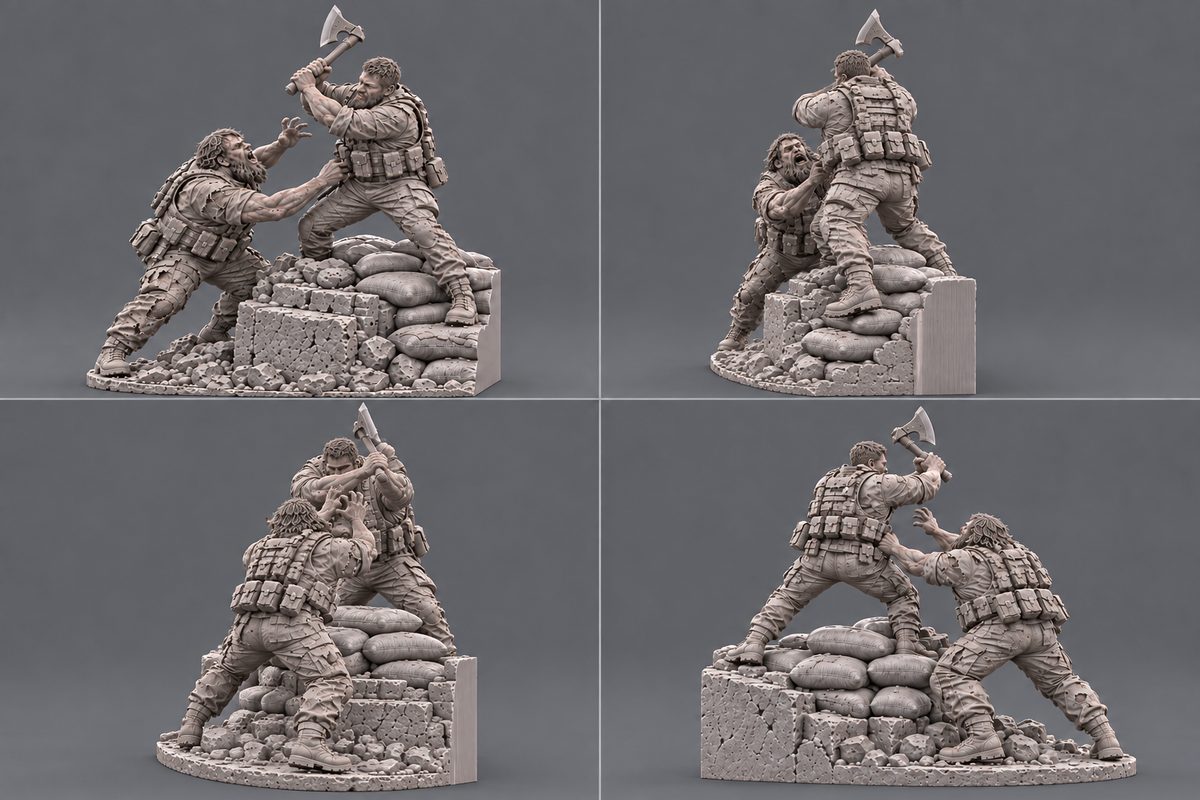
The 3D statue
Talk it out. AI tidies. You decide.
2
Not a one-off
The same method built many projects
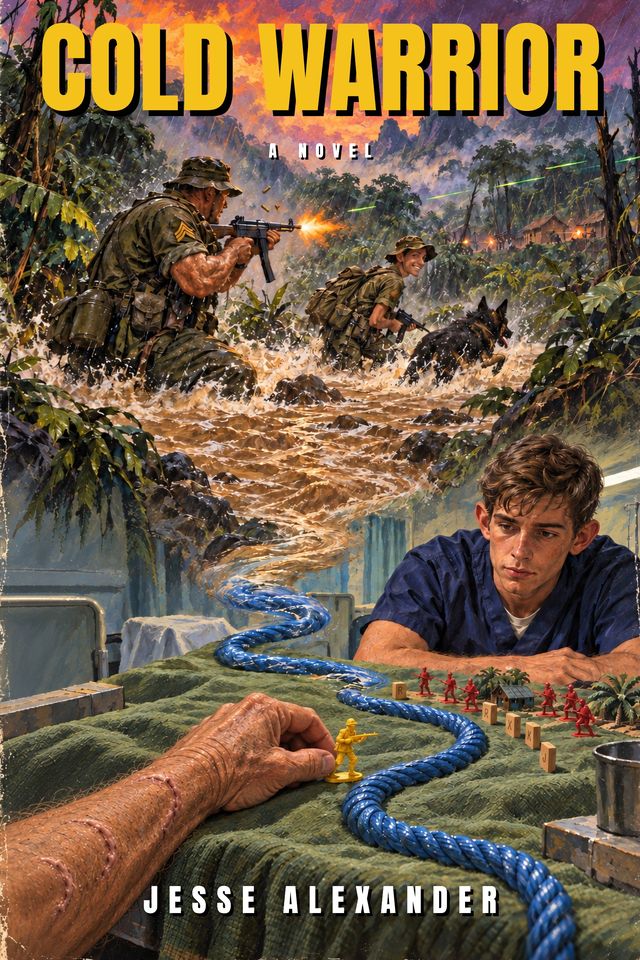
COLD WARRIOR: a Cold War action novel, a two-player game and a 20-track album

MARATHON: an illustrated novella and an album
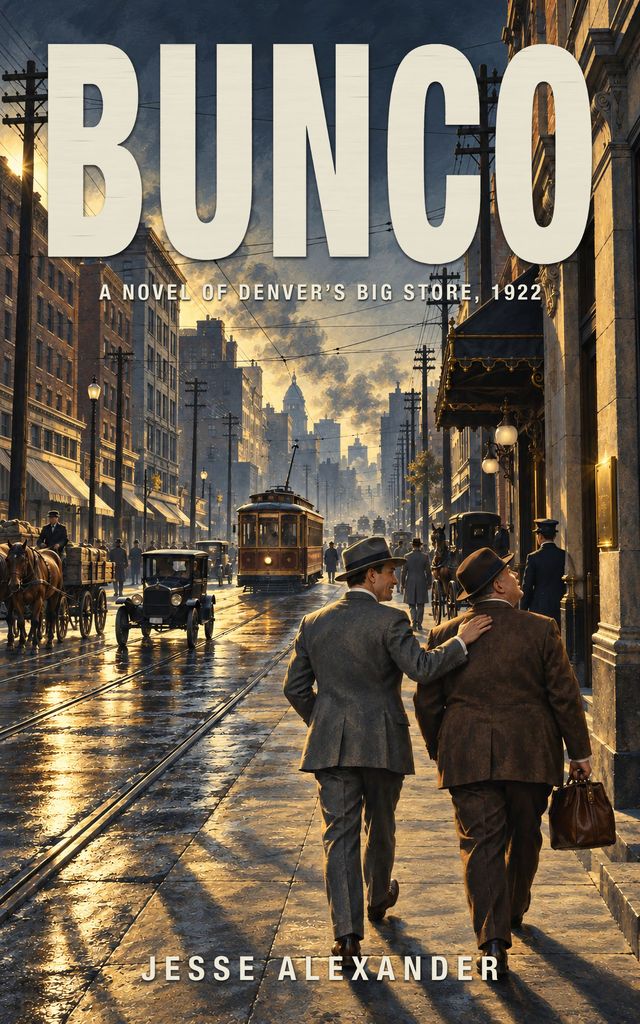
BUNCO: a novella set in 1922 Denver
CURIOUS ORDER: a course book and a wiki
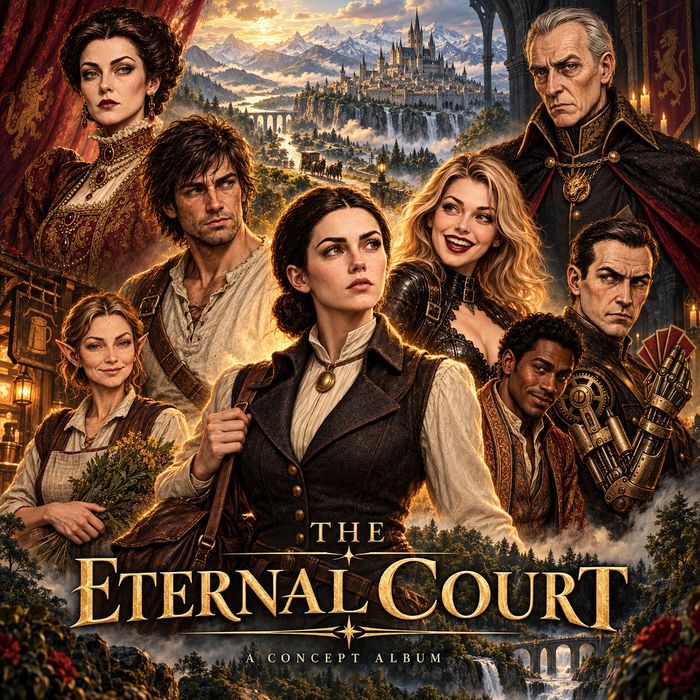
THE ETERNAL COURT: a gothic fantasy world, three guidebooks, a role-playing game and a 12-track album
Talk it out. AI tidies. You decide.
3
Not a one-off
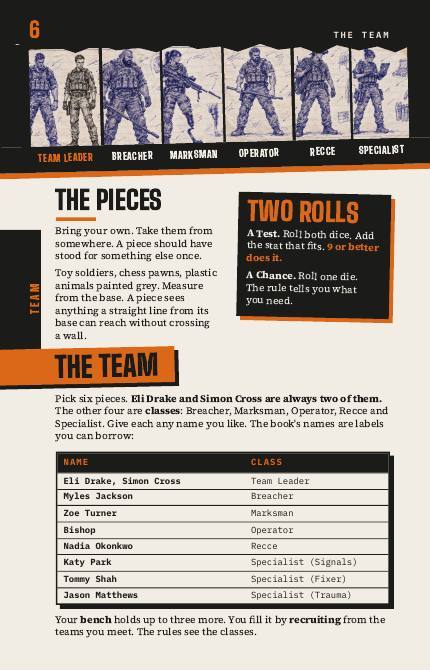
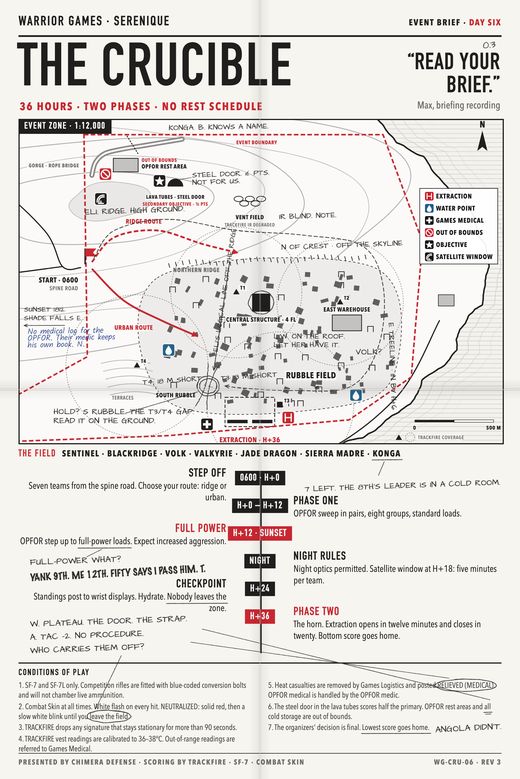
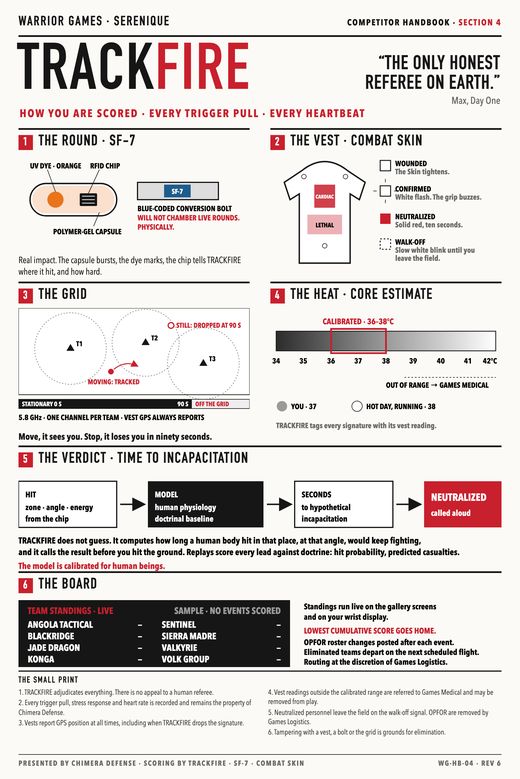
One game world, many products
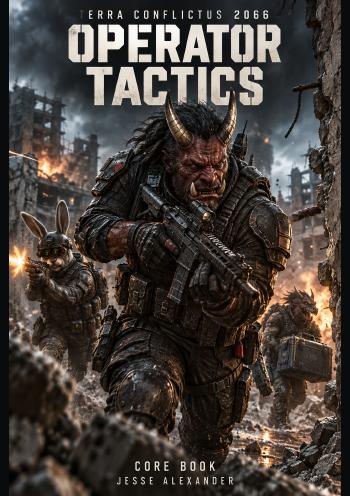
Operator Tactics: the core rulebook
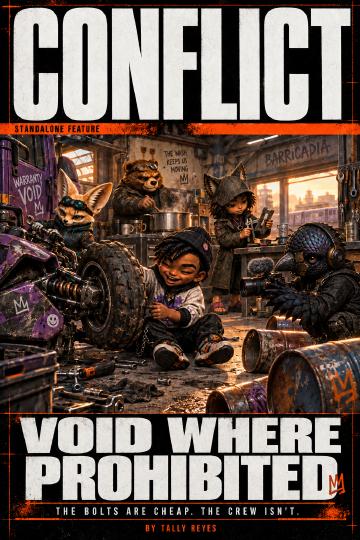
CONFLICT: a fictional magazine
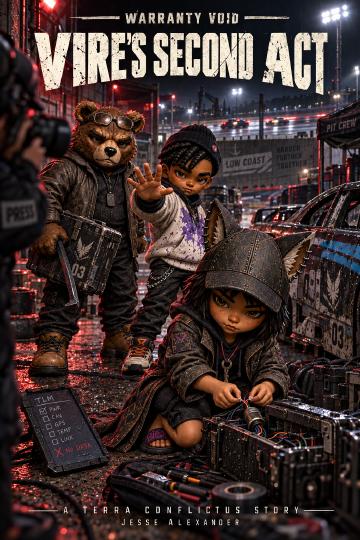
A story set in the world
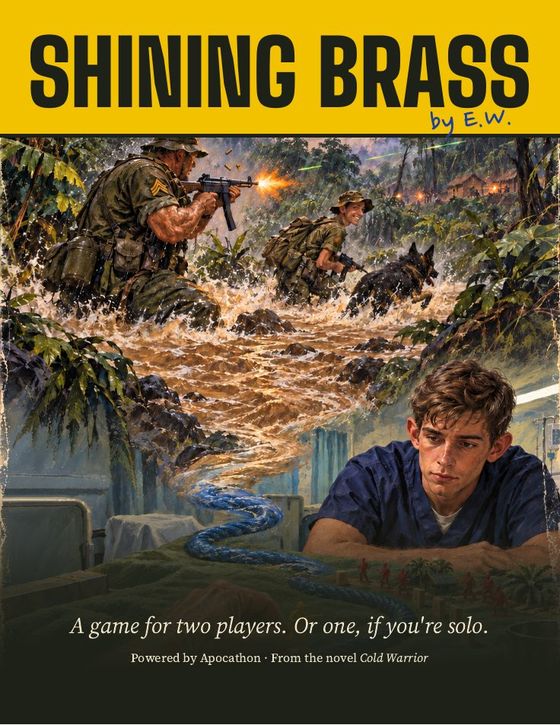
Shining Brass: a two-player game
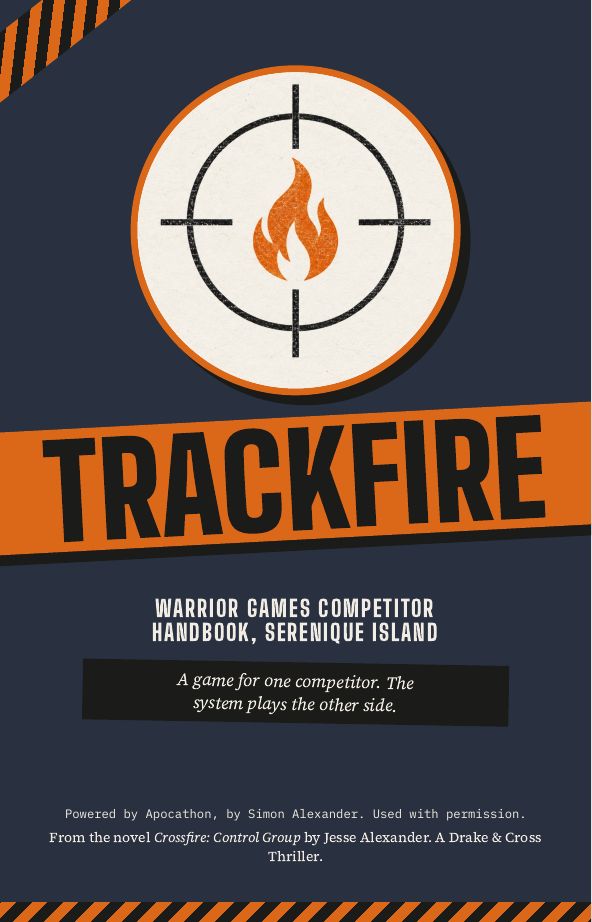
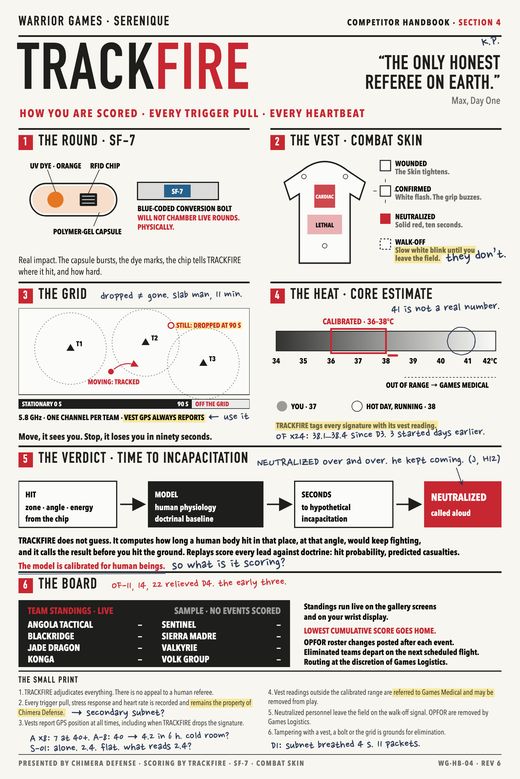
Trackfire: a game handbook
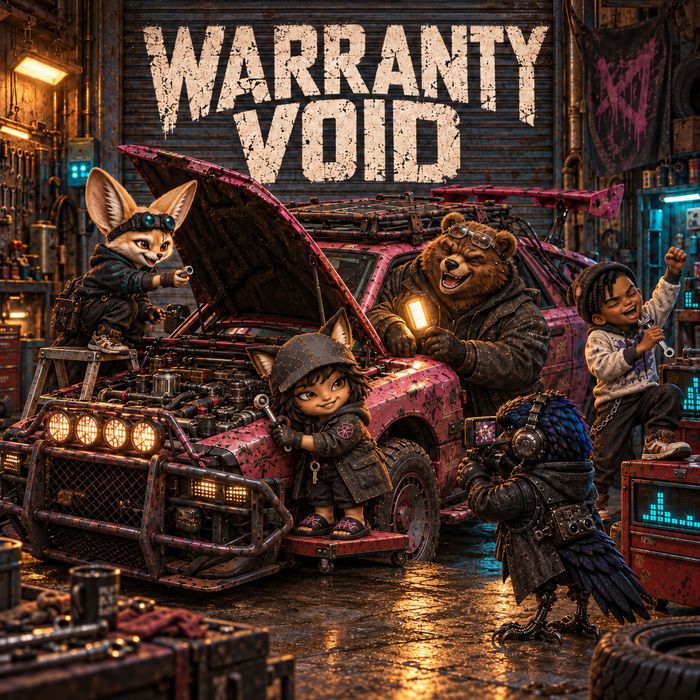
Warranty Void: a 10-song album
Jesse's game world is called Terra Conflictus. Rulebooks, fiction, magazines, games and albums all come from one set of world rules.
Talk it out. AI tidies. You decide.
4
The problem
Ideas come out messy.
Organizing them is the slow part.
Talk it out.
AI tidies.
You decide.
Four ways in
Pick one. Start small.
10 minutes
Win 1
Dictate a memo
Talk it out. Get a clear memo back.
1 hour
Win 2
Practice a pitch
Rehearse on AI versions of the people you need to convince.
10 minutes
Win 3
Steer from your phone
Give notes from anywhere. A new draft waits at home.
Optional
Win 4
Build a whole project
One idea becomes many products.
Talk it out. AI tidies. You decide.
6
Win 1 of 4 · Dictate a memo
Talk it out. AI does the tidying.
1
Talk
3 to 5 minutes. Tangents welcome.
2
Ask Claude to tidy
Paste the transcript with the prompt.
3
Check and send
Skim it. Fix by voice. You send it.
Typing mixes two jobs: getting ideas out and arranging them. Speaking splits them.
Talk it out. AI tidies. You decide.
7
Win 1 of 4 · Dictate a memo
A ramble becomes a clear memo
Before: spoken
Okay so, um, the thing I keep circling is the spring event. The real problem is bandwidth, we said this in March, and honestly the second mode is where it all gets heavy. Maybe we cut it, or push it to summer, I don't know. Oh, and the lighting pass is late. Anyway, I need a decision by Friday.
After: cleaned
ASK: Decide by Friday whether to cut the second mode or move it to summer. WHY: We lack the people for both modes. OPTIONS: Cut it. Move it. PARKING LOT: The lighting pass is late.
Invented example.
Talk it out. AI tidies. You decide.
8
Win 1 of 4 · Dictate a memo
Why it helps a busy mind
No blank page
Speaking is an easy way to start.
Tangents are saved
A Parking lot keeps them, so you can stop guarding them.
Claude does the sorting
You only edit, which is the easier job.
Jesse's experience.
Talk it out. AI tidies. You decide.
9
Win 1 of 4 · Dictate a memo
Your move: paste this prompt
Below is a dictated draft of a memo. Clean it up.
- Keep my voice and my opinions.
- Start with the one-line ask.
- Then: why, options, risks, next steps.
- Put tangents in a "Parking lot" at the end.
- If something is unclear, ask me. Do not guess.
- Give me a 5-sentence version and a one-page version.
Transcript:
Try it today on a memo you owe someone.
Talk it out. AI tidies. You decide.
10
Win 2 of 4 · Practice a pitch
Practice the pitch before the room
1
Gather
Public interviews and talks by the person.
2
Build a profile
One page: what they care about and how they decide.
3
Test your pitch
Ask the profile to react. Compare 3 to 5 people.
Then take the improved pitch to the real person. They have the final word.
Talk it out. AI tidies. You decide.
11
Win 2 of 4 · Practice a pitch
One page per person
What to capture
Example
How sure
Cares about
Depth that adds no new rules to learn
From a source
Decides by
Prototype first, slides second
From a source
Pushes back on
Scope with no list of cuts
A good guess
Says yes when
The pitch names what gets cut
A good guess
We cannot know
Budget pressure, last week's meetings
Invented example. Claude writes the profile. You mark each line as sourced or a guess.
Talk it out. AI tidies. You decide.
12
Win 2 of 4 · Practice a pitch
Two prompts do the work
Prompt 1 · Build the profile
Using ONLY the sources below, write a one-page profile of [person].
What do they care about? How do they decide? What earns a yes or a no?
Mark each line FROM A SOURCE or A GUESS.
Prompt 2 · Test your pitch
You are this person, reading my pitch for the first time. Stay in their voice.
Give me: your reaction, three objections, the question I cannot answer yet, and what would earn a yes.
Do not be polite for my benefit.
Use a fresh chat for each person, so they stay separate.
Talk it out. AI tidies. You decide.
13
Win 2 of 4 · Practice a pitch
Three rules keep it safe
1
Check policy first
Ask IT or legal what AI tools may see. Internal memos belong to other people.
2
Start with public material
Interviews and talks are things people chose to say.
3
It is a rehearsal
It can be wrong. Never send or post as it. Keep profiles private.
These are suggestions. Check them against your company's policy.
Talk it out. AI tidies. You decide.
14
Win 3 of 4 · Steer from your phone
Steer from anywhere
1
Start at your desk
Ask for a draft or a review. Claude keeps a short status note.
2
Steer from your phone
Check in. Dictate notes. Answer Claude's questions.
3
Review at home
A new draft is waiting, with before and after changes.
Jesse gave notes from a theater seat. A new draft was waiting when he got home.
Talk it out. AI tidies. You decide.
15
Win 3 of 4 · Steer from your phone
Three habits make it work
1
Claude keeps a status note
It updates a short summary as it works. Ask to see it any time.
2
Dictate your notes
Talking beats thumb-typing.
3
Ask for before and after
Review a batch of changes in a minute.
Try it: turn on remote access and send one note from your phone.
Talk it out. AI tidies. You decide.
16
Win 4 of 4 · Build a whole project
One idea, three phases
1
Talk it out
Dictate the idea. Share old work. Brainstorm out loud.
2
Claude writes it down
Claude keeps the notes. As you talk, it saves decisions in a facts file and a rules file.
3
Build it
Test with readers. Then make the book, game, music, art or 3D model.
Claude keeps the notes. You just talk.
Talk it out. AI tidies. You decide.
17
Win 4 of 4 · Build a whole project
Claude carries your history
Memory
Your decisions and preferences, saved as short notes.
Skills
Methods you have saved, like how to polish a script.
Project folders
Facts, drafts, feedback and old work.
Every new chat
starts with all of it, so you never explain from zero.
Talk it out. AI tidies. You decide.
18
Win 4 of 4 · Build a whole project
Feed Claude your own archive
Jesse's archive
Screenplays
Pitch documents
Blog posts
Teaching documents
Worksheets
Real examples, not guesses
Claude writes from material you made, so it matches how you work.
Skills come from it
Each saved method starts as work you already did.
Nothing new to write
Point Claude at the folders. It reads them.
Your version: point Claude at the work you already have.
Talk it out. AI tidies. You decide.
19
Win 4 of 4 · Build a whole project
Rewrite one chapter. The book follows.
1
Claude drafts
A first pass in a default voice.
2
You rewrite
Claude hands you a chapter. Edit it, or just say what to change.
3
Claude writes your rules
It compares before and after. Later chapters follow them.
If the voice drifts later, revise one chapter and share it.
Talk it out. AI tidies. You decide.
20
Win 4 of 4 · Build a whole project
Change the rules when they stop working
1
Claude records each decision
Say it out loud. Claude saves it with a date.
2
Test it
Readers and playtests check the work against it.
3
Change it when it fails
Mark the old one RETIRED and say why.
Nothing is deleted, so the trail stays clear.
Talk it out. AI tidies. You decide.
21
Win 4 · The full pipeline
One idea feeds many products
Screenplay
Scripts and pilots
Pitch deck
Tested on simulated buyers
Novel
Kindle, hardcover, paperback
Game zine
A printed handbook
One locked story
Facts and rules
Concept album
AI-made music
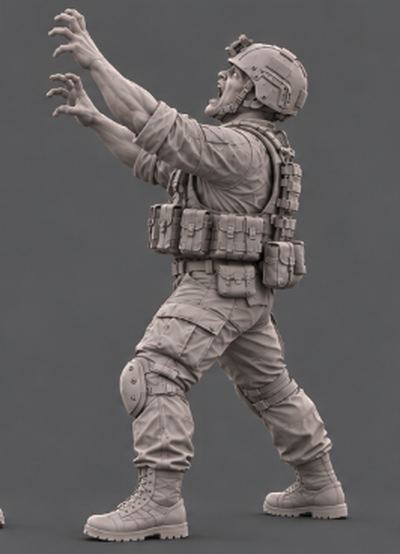
3D statue
Printable figures
Magazines and fiction
In-world content
Apparel
Merch
Talk it out. AI tidies. You decide.
22
More examples
Concept albums, with videos
The Eternal Court

Marathon
Warranty Void
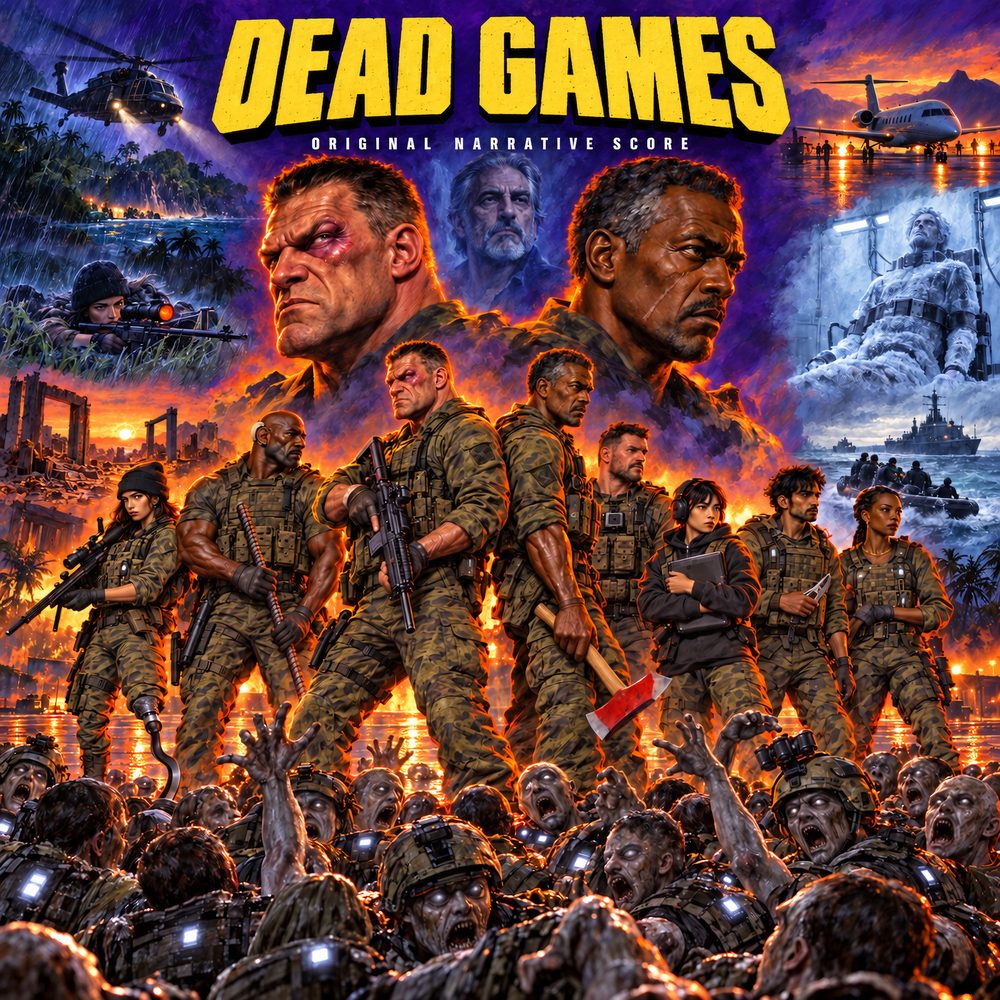
Dead Games
Warranty Void: full album · all ten tracks
The Eternal Court: track playlist
Talk it out. AI tidies. You decide.
23
More examples
Still art becomes motion
Runway turns a painted still into an 8-second loop
A 30-second album promo

A teaser shot for a game world
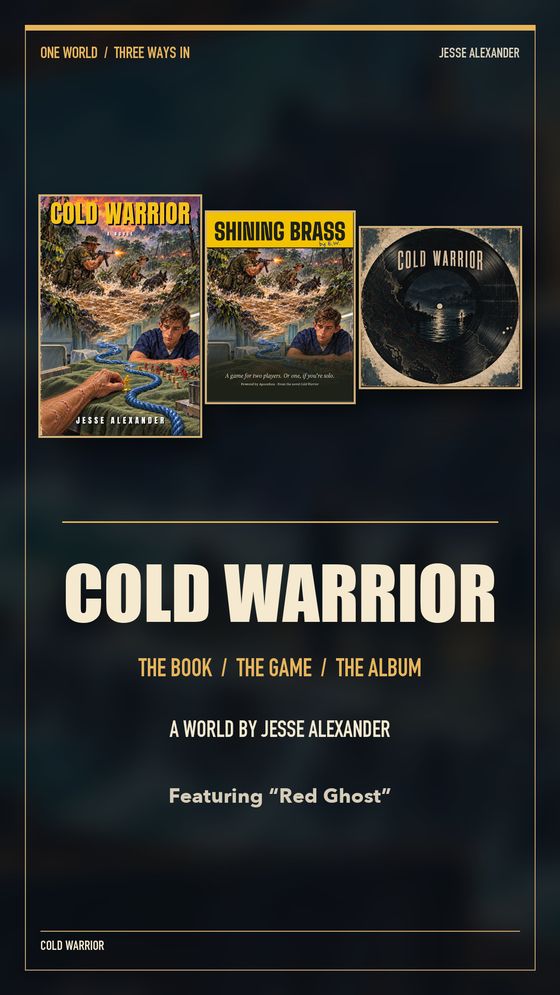
A book announcement
Runway animates the paintings. Claude builds the promo videos from art, music and text.
Talk it out. AI tidies. You decide.
24
More examples
Pitch decks and trailers too
1
Decks
Claude builds a pitch deck from your notes.
2
Reactions
Simulated buyers react to it, round by round, until it is clear.
3
Trailers
Short trailers from art, text and music.
This deck was built the same way.
Talk it out. AI tidies. You decide.
25
Your toolkit
Saved methods Claude can reuse
1
Start with your own work
Scripts, pitch documents, blog posts, teaching documents and worksheets.
2
Claude saves the method
As a reusable skill.
3
Use it again
In any project, any day.
Jesse's years of scripts, pitches, Scribbler's Toolbox posts and worksheets guide his writing, and became about 30 skills.
Talk it out. AI tidies. You decide.
26
Proof
One project. Eight days.
32
chapters in the novel
45
tracks of original music
56
pages in the game zine
5
files for 3D printing
The full story is in the appendix. Skip it freely.
Talk it out. AI tidies. You decide.
27
Try it
Your first week
Day 1
Dictate one memo and tidy it.
Day 3
Build a one-page profile of one stakeholder.
Day 5
Rehearse one pitch on that profile.
Any day
Send one note from your phone.
Then talk to the real person and note what the profile missed.
Talk it out. AI tidies. You decide.
28
Start with one memo.
One place to start
Start with one memo.
Talk it out. AI tidies. You decide.
Appendix
Reference
Appendix
Everything after this is optional. Skim the pictures, or skip it.
Appendix
Words you will hear
Skill
A saved method Claude can reuse.
Facts file
Names, dates and decisions. Claude keeps it as you talk.
Rules file
How the world works. Claude keeps this too.
Persona
A written profile of a person, used for rehearsal. No face.
Simulated reader
An AI reading a draft in a set role, such as a skeptic.
Parking lot
A list for tangents, so nothing is lost.
Talk it out. AI tidies. You decide.
31
Win 4 · The full pipeline
Simulated readers test every draft
Continuity reader
Checks facts and protected lines.
Cold genre reader
Reads like a fan of the genre.
Dialogue reader
Checks that each character sounds distinct.
A script checks for writing tics. Three simulated readers read the draft. Claude applies their notes, then re-checks the edited spots.
Panels plateau after about three rounds. Then find real readers.
Talk it out. AI tidies. You decide.
32
Your toolkit
Skills: story and craft
Story and structure
screenplay
Writes and rewrites scripts.
modular-story-method
A four-part story structure for any medium.
scribblers-playbook
Jesse's two courses, used to critique a draft.
character-development
Builds and tests characters.
Line-level craft
tldr
Tightens description lines. Never dialogue.
dialogue
Sharper banter and distinct voices.
action
Big action scenes that come from character.
haecceity
Adds real-world detail and checks accuracy.
twohander
Stories built on two leads.
Talk it out. AI tidies. You decide.
33
Your toolkit
Skills: books and games
Prose and publishing
novel-builder
Turns a script or notes into a novel.
prose
Turns serial episodes into book prose.
book-to-market
Takes a finished draft to Amazon print and Kindle files.
jack-morgan-pulp
One novel's voice, learned from Jesse's edits.
Games and worlds
game-zine
Printed game handbooks: rules, playtests, layout checks.
mechanical-minimalism
Cuts any game rule that does not earn its place.
shadowdark
Writes rules clearly and briefly.
splice-punk
The visual style of Jesse's game world.
tc-short-fiction
Story outlines set in that world.
Talk it out. AI tidies. You decide.
34
Your toolkit
Skills: engines and production
Content engines
conflict-magazine
Issues of a fictional magazine from the game world.
signals-hobby
A weekly fictional hobby magazine.
warranty-void-fiction
Stories for one recurring five-person crew.
ot-merch
Apparel and merch ideas from the world's look.
Production and pitching
statue-print
3D-printable statues, one figure at a time.
cover-kiss
One pitch project, including simulated buyers.
crossfire-control-group
The facts, rules and art for one novel.
skill-creator
Makes and improves skills.
Start your own: after you rewrite a memo, ask Claude to "turn what I changed into rules."
Talk it out. AI tidies. You decide.
35
Hard-won rules
What went wrong, and what it taught
Your rewrite beats my rule
Edits teach more than guides.
Panels plateau
Simulated readers stop helping after about 3 rounds. Find real ones.
Write rules early
Write the rules before the big rewrites.
Check around edits
Look at the sentences next to every edit.
Search for the fact
When a decision changes, update every mention.
Image tools repaint
Every edit redraws the picture. Make few. Check the hands.
Dialogue is protected
Polish passes change description, never dialogue.
Teach the system
Save each lesson as a skill.
Talk it out. AI tidies. You decide.
36
DEAD GAMES in eight days
Case study · Optional
DEAD GAMES in eight days
An action-horror thriller. Built September 26 to October 3, 2026.
A novel, music, a game, a 3D statue, art and a launch, all at once.
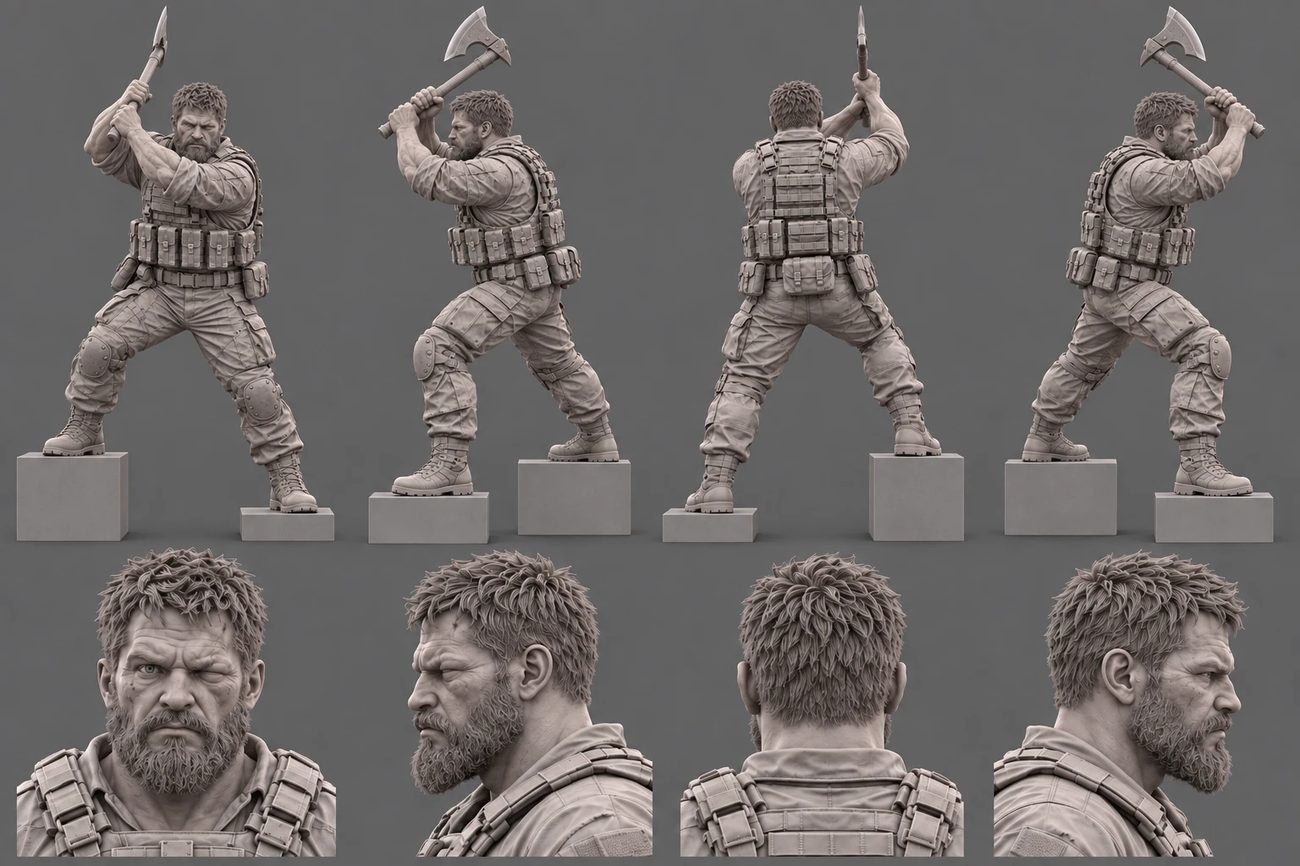
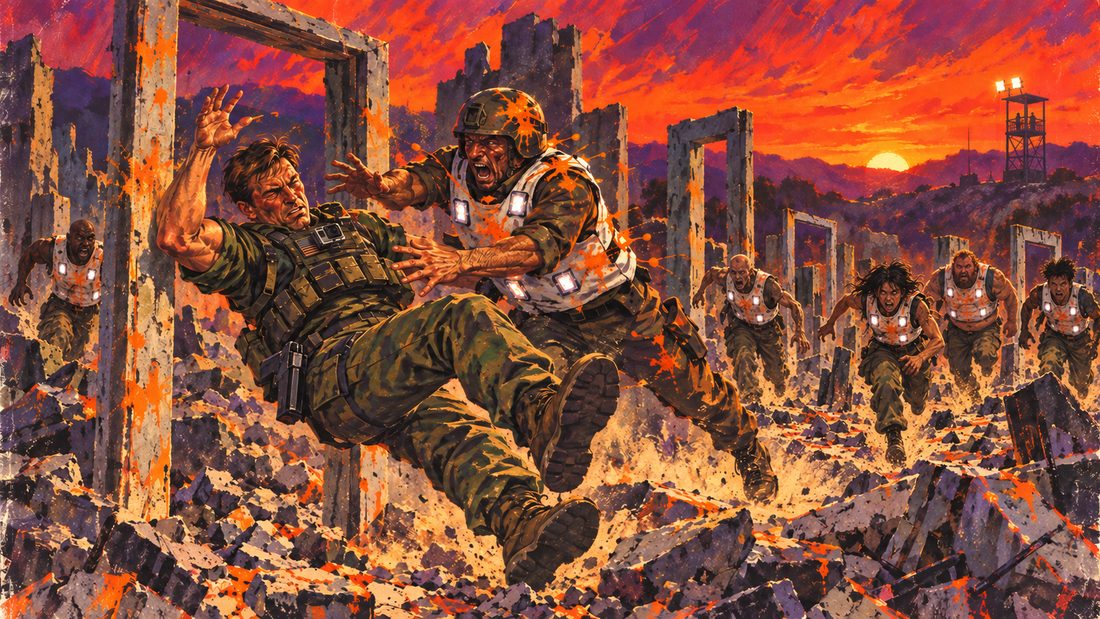
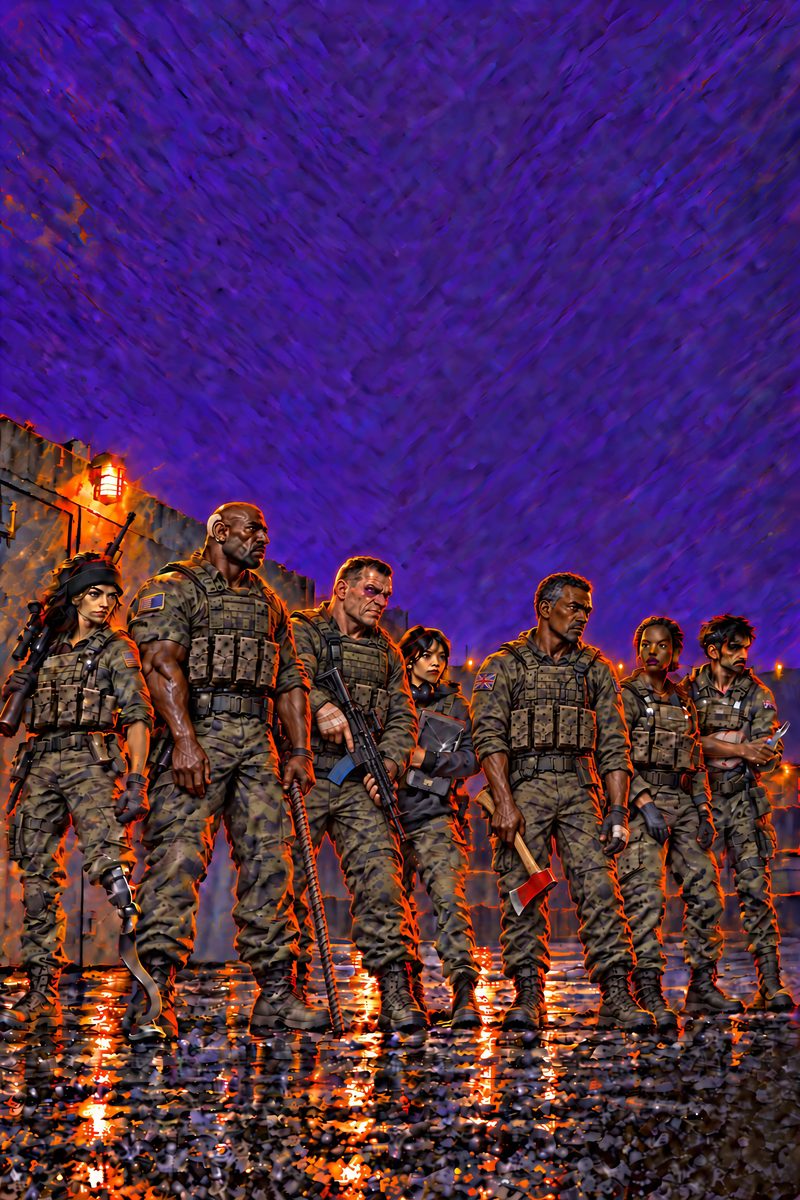
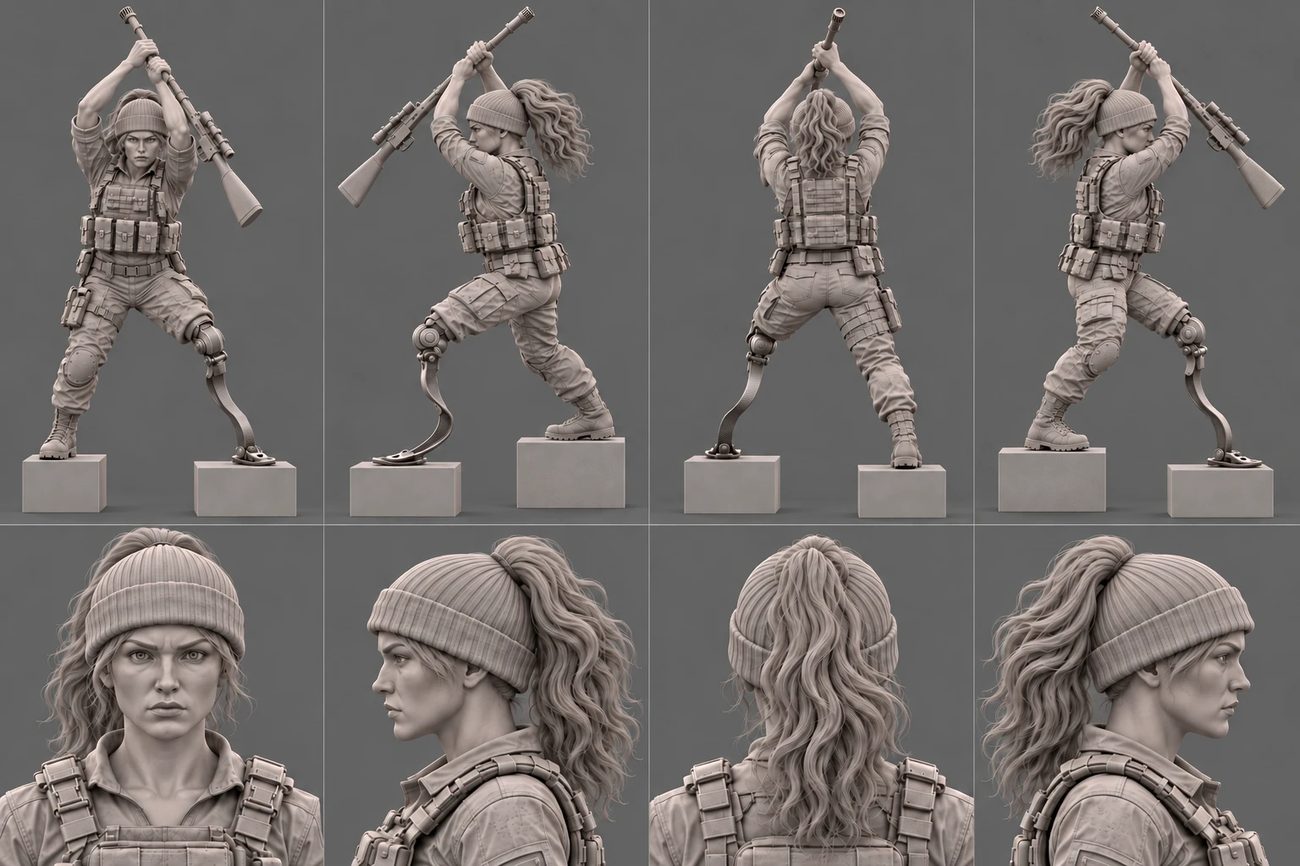
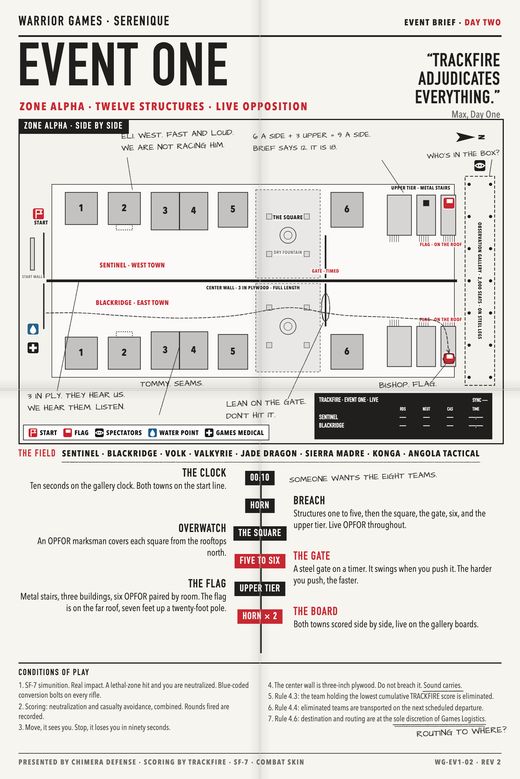
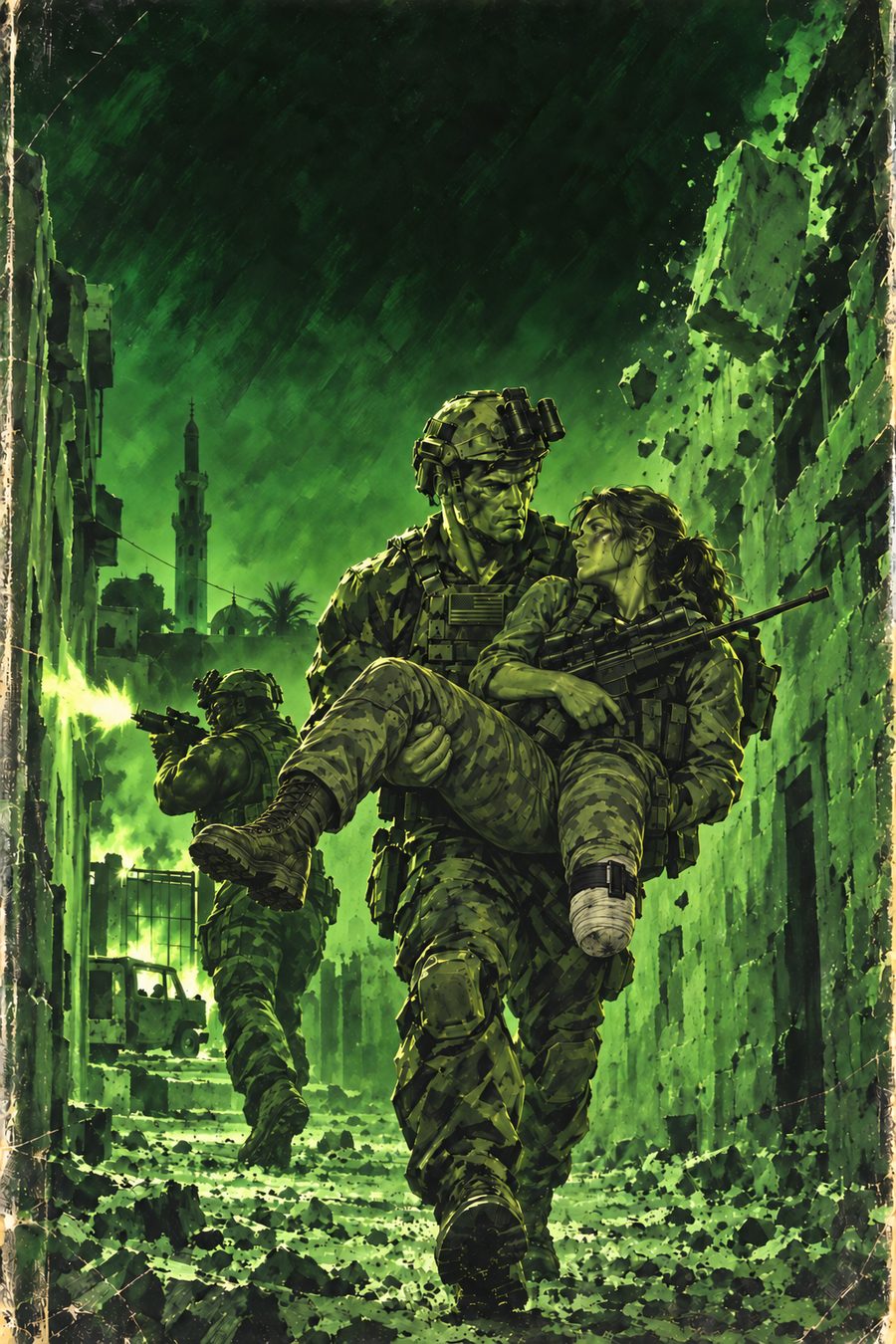

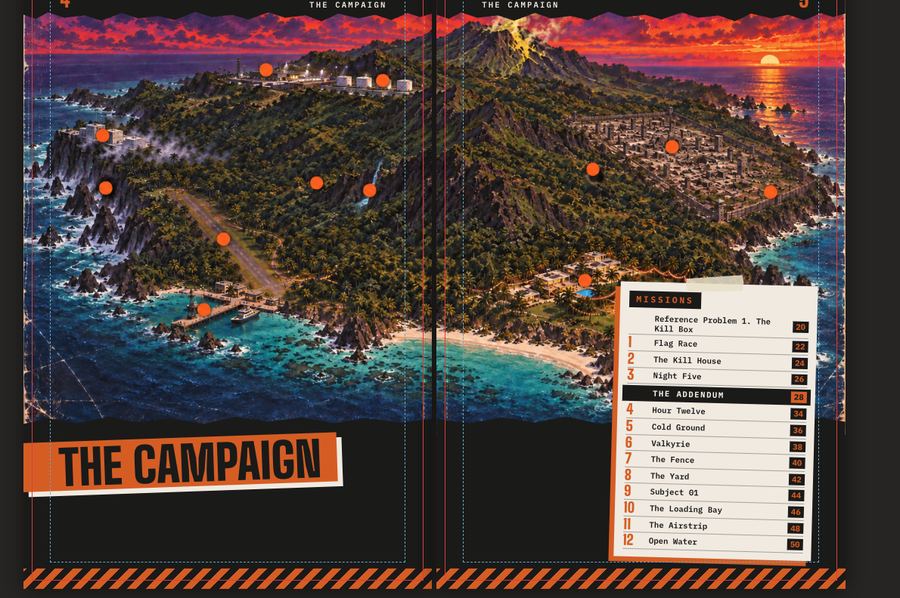
Case study
It began as a TV pitch with no zombies
2024 to 2025
A TV pitch called Crackerjack: a military competition show.
Jan 2026
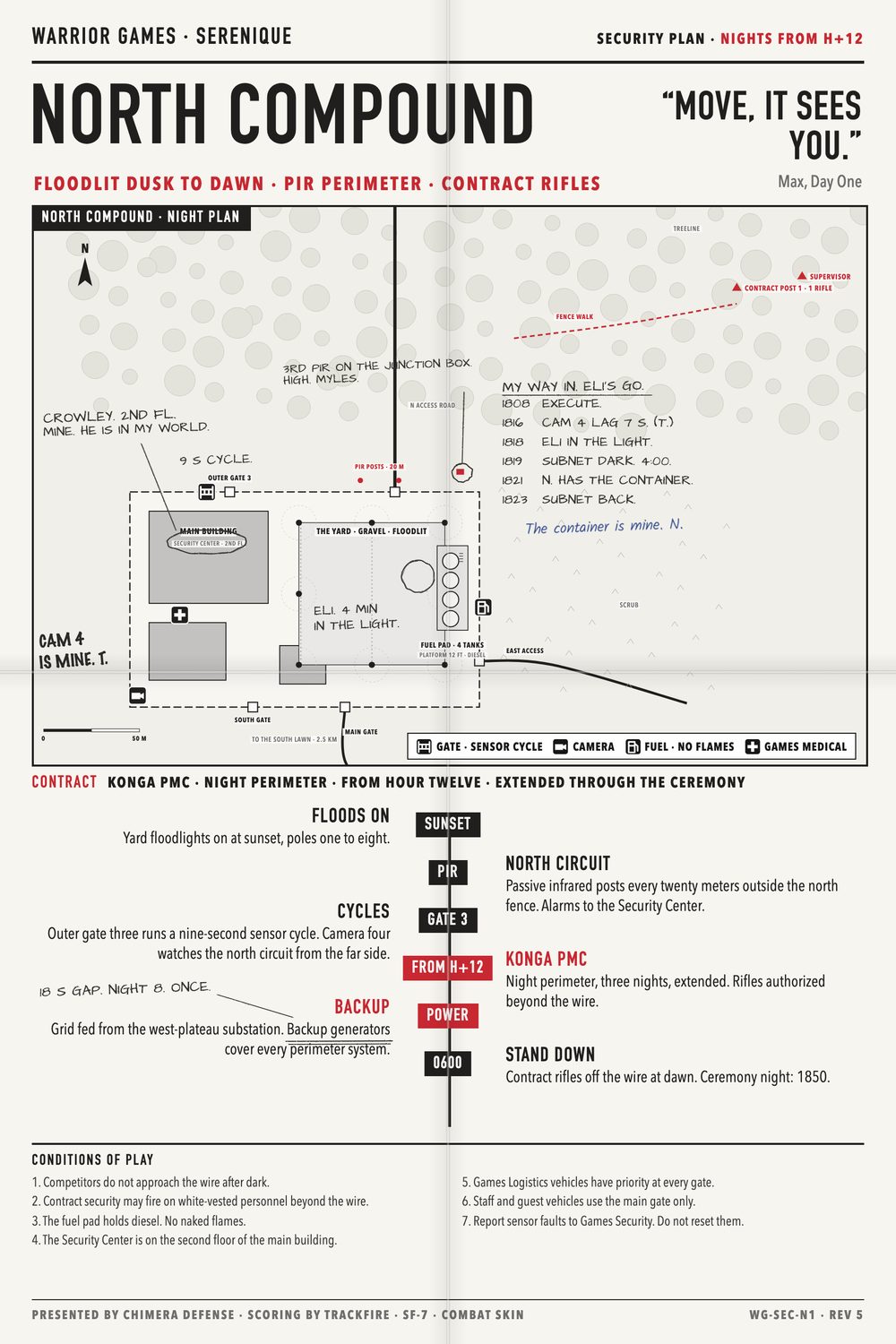
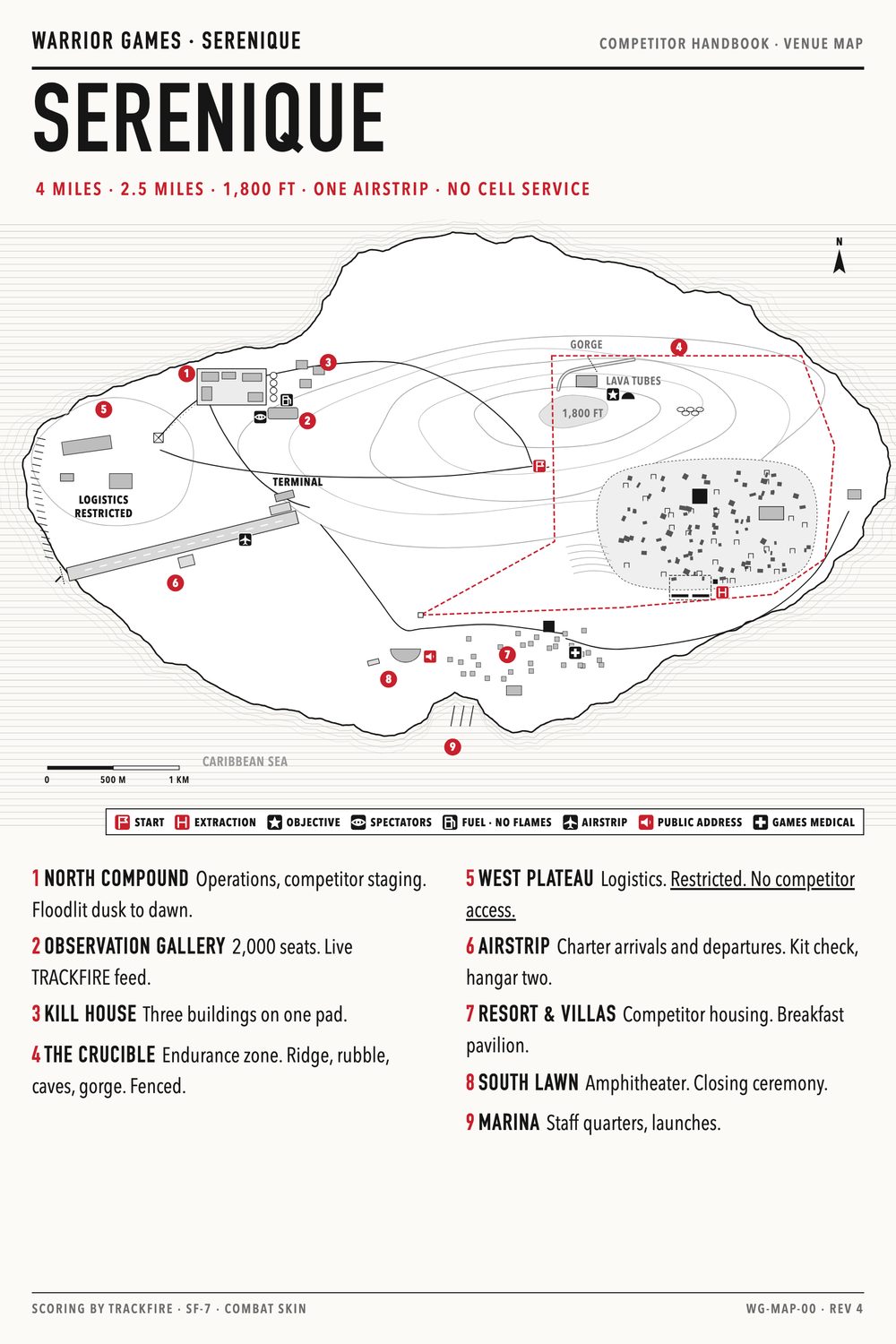
Background documents: the company, the villain, the teams, the island.
Feb 2026
Claude uses Jesse's skills to write a feature script from the pitch.
Sep 11
The script, renamed CROSSFIRE, is 148 pages and in strong shape.
Sep 26
Jesse adds zombies. The novel begins.
Skills carry the pitch's world and voice forward at every step.
Talk it out. AI tidies. You decide.
38
Case study
Eight kinds of work in eight days
Work
Dates
What happened
The novel
Sep 26 to Oct 2
Plan, first full draft, then ten rounds of revision
Style
Sep 30 to Oct 2
Jesse rewrites 16 sample passages. Claude turns his edits into style rules
Feedback
Oct 1 to 2
Seven simulated reader panels and three real outside reports
The game
Sep 28 to 30
Rules finished, layout checked, print order placed
The music
Sep 29 to Oct 3
A music plan, then AI-made tracks: 45 in the album
The art
Sep 26, Oct 2 to 3
Chapter paintings, covers, in-story documents, album art
3D statue
Sep 30
From character sheets to finished 3D-print files, in one day
Publishing
Oct 2 to 3
New title, finished files, uploaded to Amazon
Talk it out. AI tidies. You decide.
39
Case study
One day, five kinds of work
Time
Work
What happened
12:12 pm
Novel
Claude finishes 16 style test passages for Jesse
12:42 pm
3D statue
First character sheets appear
1:07 pm
Music
Claude writes prompts for action music
4:58 pm
3D statue
Prompts ready for one-figure-at-a-time sheets
8:35 pm
3D statue
Finished models from Meshy, an AI 3D tool
That day
Game
Print order placed
Talk it out. AI tidies. You decide.
40
Case study
The novel: a loop of draft, rewrite, test, decide
1
Claude drafts
A part of the novel. Three simulated readers review it.
2
Jesse rewrites
16 sample passages. Claude learns his style from the edits.
Repeat until it works
4
Jesse decides
He answers open questions. Then he says stop.
3
Readers test it
Seven simulated rounds, then three real outside readers.
Talk it out. AI tidies. You decide.
41
Case study
What changed Jesse's mind
What
Before
After
Title
Crossfire: Control Group
Dead Games. It says what the book is
Length
33 chapters
32. Two were merged
Game goal
Find one sample vial
Collect four cure parts and sabotage four targets
Cover
A quiet image of one man
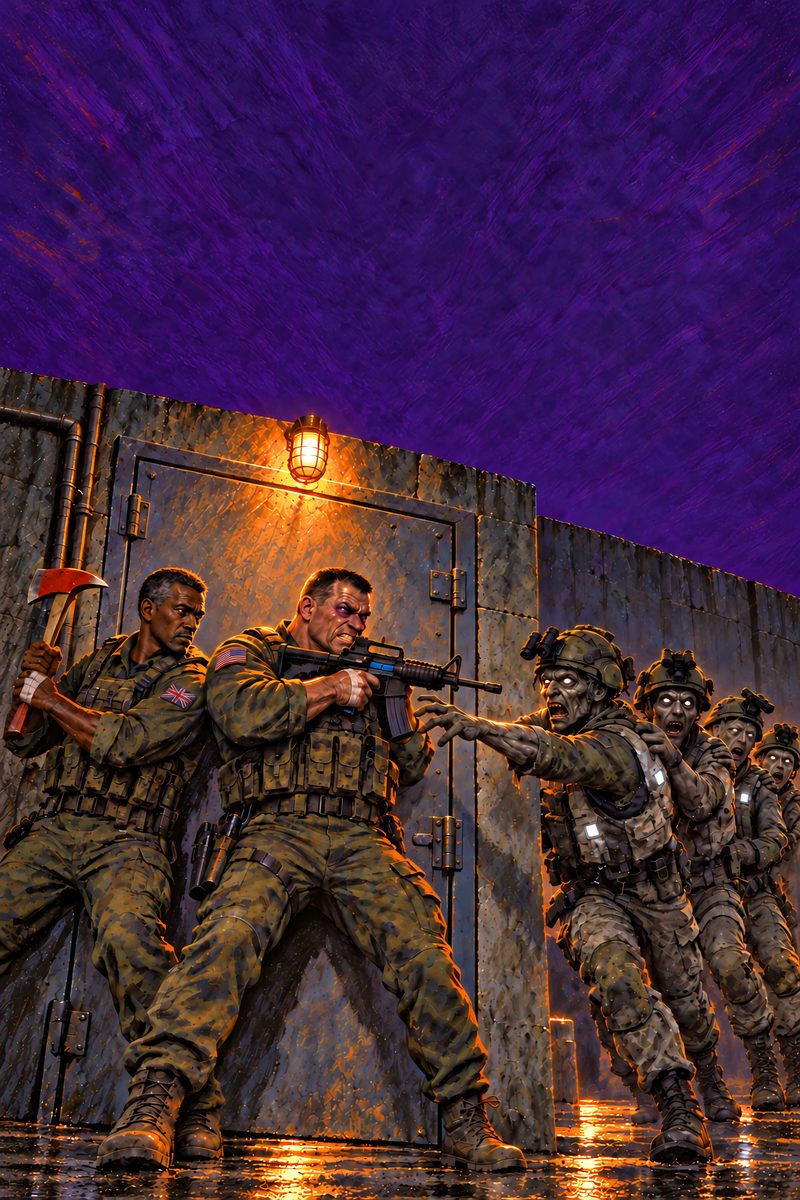
Heroes watching infected soldiers lined up at a door
Music titles
Used the old title, Crossfire
Renamed to match the book
Rules
Locked early
Revised when readers found gaps
Every change is written down with a date. Old decisions are marked RETIRED, not erased.
Talk it out. AI tidies. You decide.
42
Case study
The music: designed from the book
Claude planned the score after reading the whole novel. Jesse ran the AI music tool, Suno, and judged every take by ear.
The two heroes share a four-note theme, played in opposite directions.
The sound gets brighter as body temperature rises in the story.
Action cues run at 100 beats per minute, the rhythm of CPR.
A theme stops one note short until the heroes earn the ending.
Talk it out. AI tidies. You decide.
43
Case study
A real prompt for the AI music tool
STYLE (what to play)
Instrumental film score, slow, G minor. Sparse muted piano plays a short four-note rising theme. A solo cello answers with the same notes falling, half a beat later.
EXCLUDE (what to avoid)
vocals, choir, epic orchestra, heroic brass, big drums
VERDICT (Jesse)
Both takes rejected: too acoustic and slow.
A rejected take changes the next prompt. Every take is logged with a link, a length and Jesse's verdict.
Talk it out. AI tidies. You decide.
44
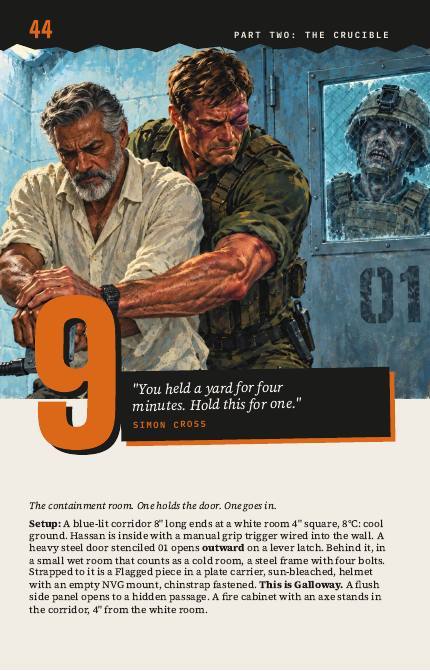
Case study
The art: one recipe, 30-plus paintings
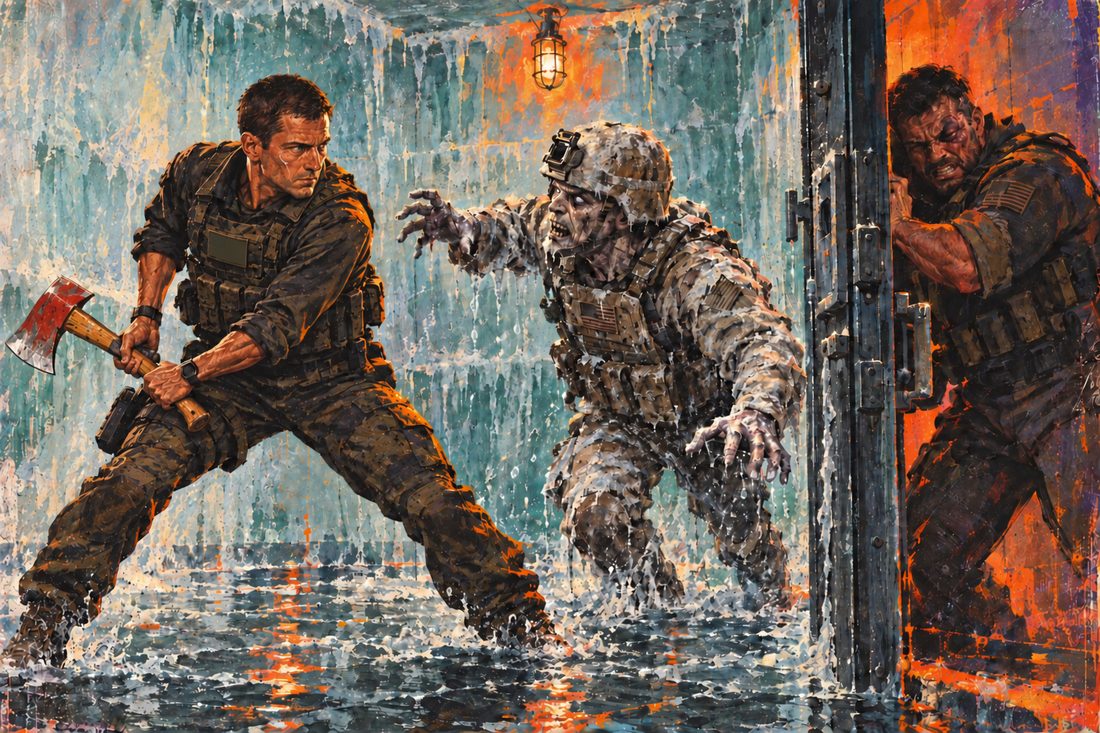
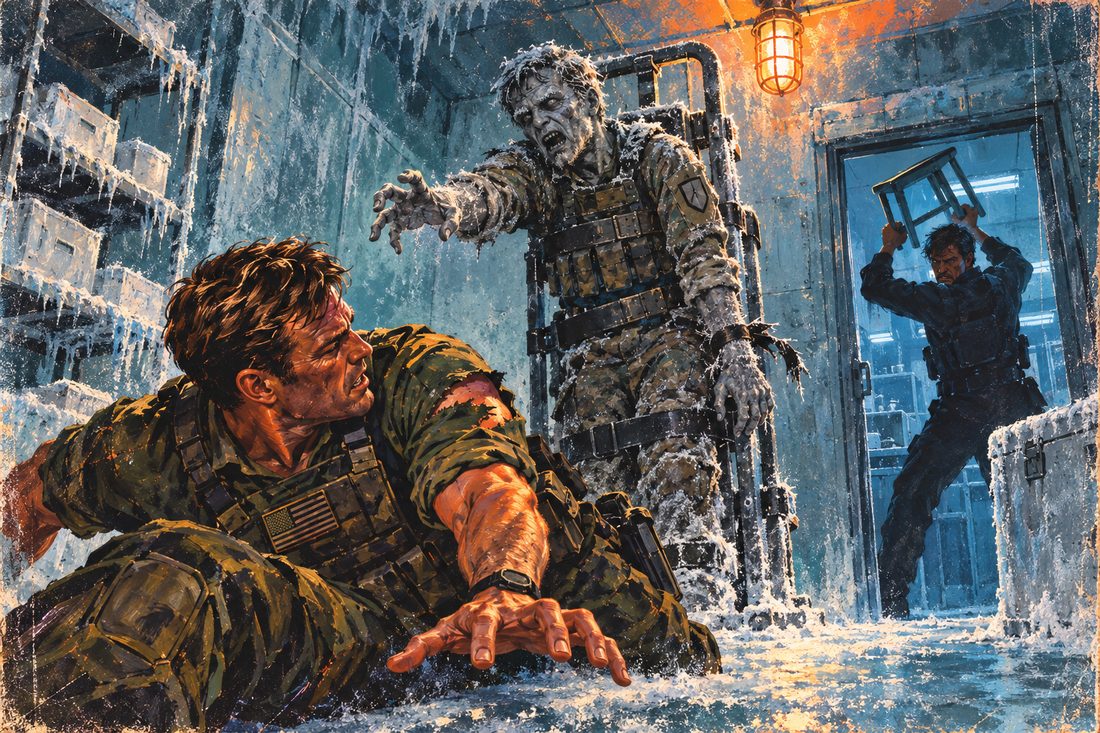
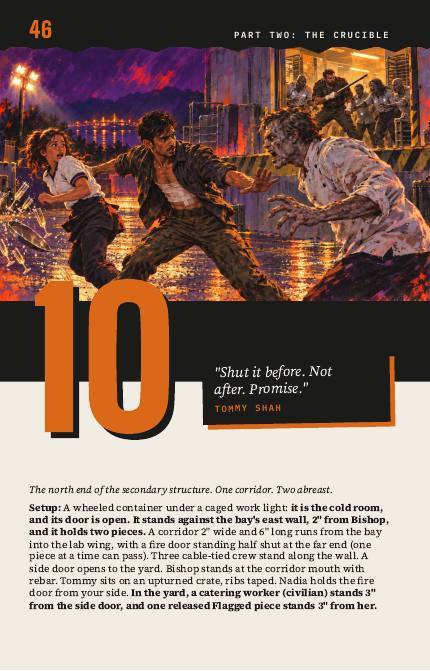
Chapter 15: a fight in a frozen lab
Chapter 16: the moment the infected turn
Chapter 30: one hero holds a door, the other goes in
Each prompt combines a style recipe, a short description of each character, and the scene. Claude writes it. Jesse pastes it into ChatGPT's image tool.
Talk it out. AI tidies. You decide.
45
Case study
How a cover gets made
1. Get the template. Amazon's KDP self-publishing site gives the exact cover size for your page count.
2. Claude writes the art prompt. Empty space for the title, the scene, each hero described, a low heroic camera.
3. Jesse runs it in ChatGPT's image tool.
4. Claude upscales it 3x in Pixelmator Pro, so it prints sharp.
5. Claude adds the title and text and builds the print-ready file.
Jesse gives the order. Claude does the work.
Talk it out. AI tidies. You decide.
46
Case study
3D statue: first came the paintings

Paintings from the book show how each character looks. Character sheets came later.
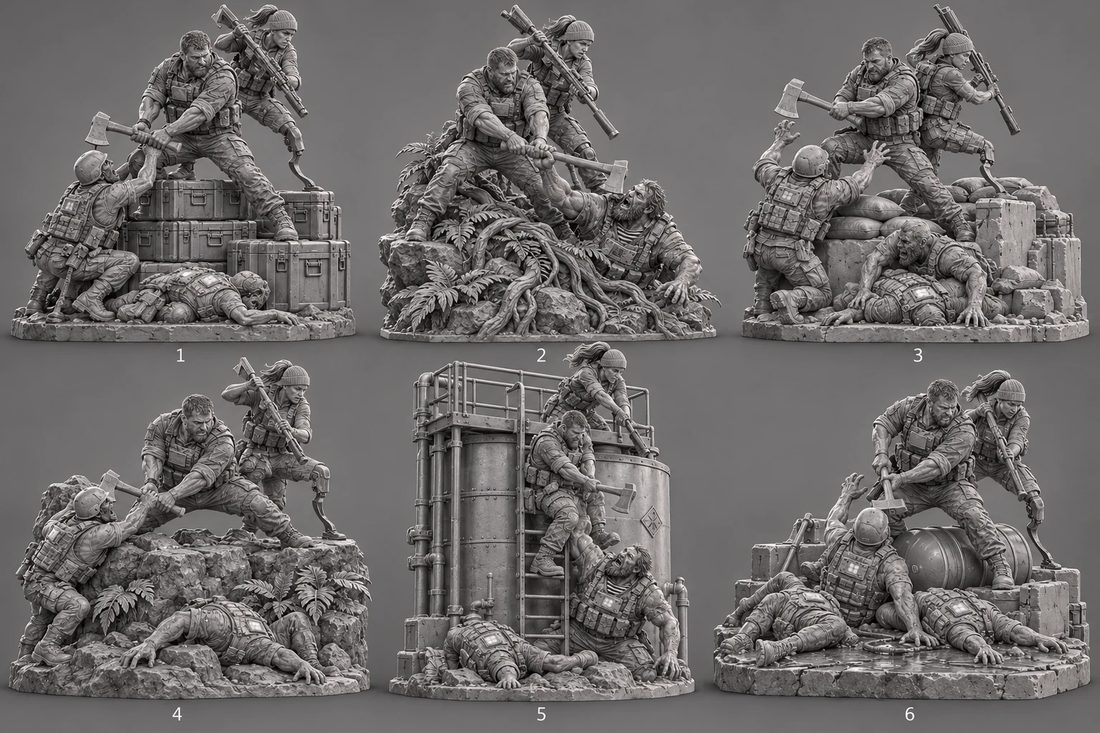
ChatGPT turns the paintings into six statue ideas.
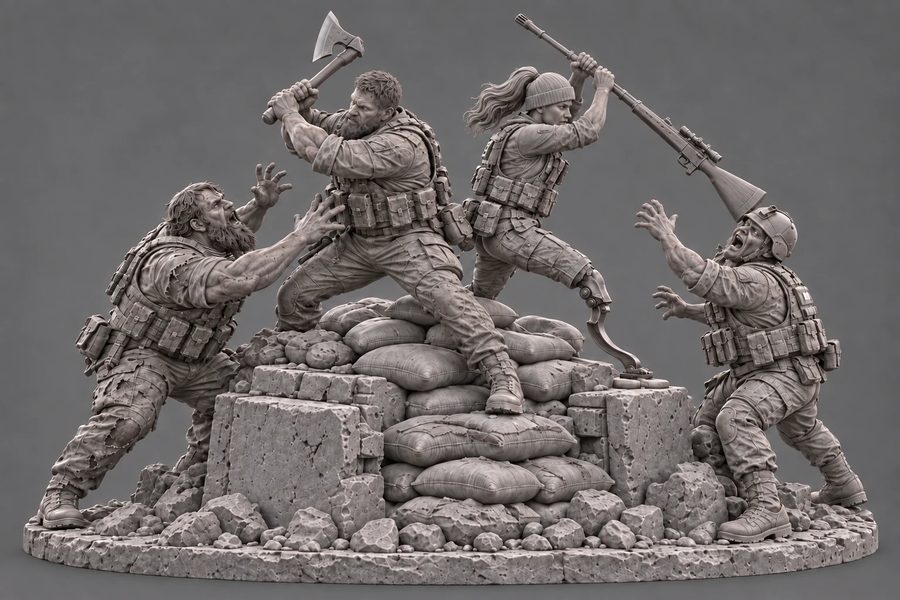
Jesse picks one. This becomes the reference.
Talk it out. AI tidies. You decide.
47
Case study
3D statue: a sheet for each figure
Eli, the lead soldier: four angles that must match
Zoe, the sniper: her blade stays on the left leg in every view
Drawn from the paintings and the chosen statue design. Meshy, an AI 3D tool, turns each sheet into a model.
Talk it out. AI tidies. You decide.
48
Case study
How the 3D figures got made
1. Draw one character sheet per figure.
2. Pose each figure on a four-angle sheet, one fresh chat each.
3. Check that the four angles match.
4. Send each to Meshy, one at a time, plus the base.
5. Combine them into one printable scene.
First try: one image of the whole scene. The models fused together and one soldier got an extra leg.
Talk it out. AI tidies. You decide.
49
Case study
The game: not made from scratch
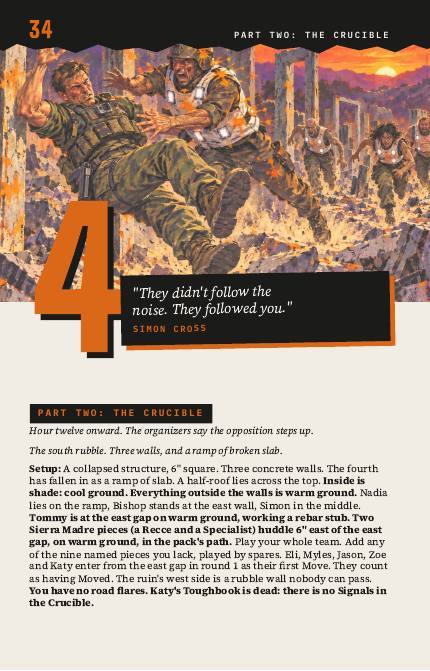
Jesse's son Simon had already designed a game system called Apocathon. With his permission, Claude applied its rules to this novel's world, then revised them 11 times to fit the story.
AI playtests found gaps. Next: a printed copy and a table test with real players.
Talk it out. AI tidies. You decide.
50
Case study
How the work stayed organized
Keep track
One folder and note per track
Any new chat can pick up where the last stopped.
Renames spread
A new title means new track names too.
Save time
Work in the background
Simulated readers review one part while Claude drafts the next.
Questions in batches
Claude flags open questions. Jesse answers many at once.
Stay consistent
One-way changes
The game may depart from the book for fun. Nothing flows back.
Same description everywhere
Each character is described identically in every prompt.
Talk it out. AI tidies. You decide.
51
Next steps
Where to go after your first week
1
Save a method
After you edit something, ask Claude to turn your changes into reusable rules.
2
Review a real pitch
Run it past simulated reviewers, then past real people.
3
Animate a key image
Try a short motion loop or a trailer concept from art you already have.
4
Run the full pipeline
Pick one small idea. Talk it out. Build one product from it.
Start with one memo. Everything else builds from there.
Talk it out. AI tidies. You decide.
52
AI workflow: This / Not that
AI workflow - This/Not that
Yes
to
Talking it out / Clear asks / Real examples / Your voice
Talk it out
Steer from anywhere
Share past work
A partner that sorts, drafts and rehearses. You keep the taste and the final call.
YES like....
- Dictate it, then let Claude tidy it
- Share your references and past work
- Rehearse on public material, then talk to the real person
No
to
Secrets in the wrong tool / Autopilot / Impersonation / Skipping the human
Company secrets in an unapproved tool
Speaking as someone else
Sending it unread
A guess treated as a fact
NOT a replacement for your judgment, or for the real people you need to convince.
NOT like....
- Confidential memos in a tool IT has not approved
- A persona's "opinion" quoted as the real person's
- Sending a draft you have not read